

Premenstrual Syndrome (PMS)
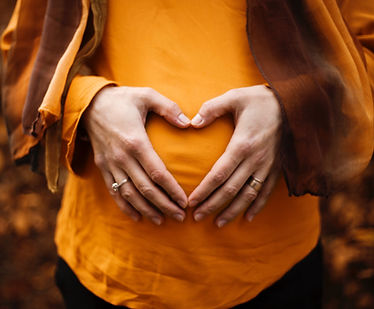
PMS refers to a group of physical, emotional, and behavioral symptoms that occur in the luteal phase of the menstrual cycle, typically 1 to 2 weeks before menstruation. Symptoms can include irritability, bloating, fatigue, mood swings, breast tenderness, and headaches. The exact cause is unknown, but hormonal fluctuations, stress, poor nutrition, and underlying health conditions may play a role. Treatment options include lifestyle changes, diet adjustments, stress management, and medication.
Aromatherapy
Essential oils can help relieve PMS symptoms by supporting hormonal balance and promoting relaxation:
• Lavender: Known for its calming and soothing effects, lavender can help reduce stress, alleviate mood swings, and relieve headaches.
• Clary Sage: This oil is particularly helpful for balancing hormones and reducing the physical symptoms of PMS, such as bloating and
cramps.
• Peppermint: Helps relieve headaches and muscle tension, often associated with PMS. It can also help reduce bloating and digestive
discomfort.
• Rose: Known for its ability to balance emotions, rose oil can help soothe mood swings and irritability.
PMS Relief Blend:
• 3 drops Lavender
• 2 drops Clary Sage
• 2 drops Peppermint
Dilute with a carrier oil and massage gently into the abdomen to relieve cramps and bloating or apply to the temples to ease headaches.
Flower Essences
Flower essences can support emotional and physical well-being during PMS by addressing underlying stress and emotional imbalance:
• Rescue Remedy: Helps reduce stress, anxiety, and irritability, which are common emotional symptoms of PMS.
• Wild Oat: Supports decision-making and clarity, helping to manage the overwhelming emotions or confusion that may occur during PMS.
• Chicory: Helps to alleviate feelings of possessiveness and emotional distress, promoting emotional healing during PMS.
• Aspen: Useful for relieving fear and anxiety, which can sometimes exacerbate mood swings and emotional tension.
Flower essences can be used as drops or sprays to support emotional balance and physical comfort.
Reflexology
Reflexology can help alleviate PMS symptoms by stimulating points that correspond to the reproductive and endocrine systems:
• Reproductive Reflex points: Located on the sides of the feet, below and around the bottom of the ankle bone, these reflexes corresponds to
the ovaries, uterus, and hormonal glands, and stimulating it can help alleviate PMS-related symptoms.
• Endocrine Reflex: Stimulating the reflexes for the endocrine system can help balance hormone levels and reduce the physical symptoms of
PMS, such as bloating and fatigue.
• Solar Plexus Reflex: Known for its calming effect, this reflex can help reduce stress, which is a key contributor to PMS symptoms.
Applying gentle pressure to these reflex areas can reduce PMS discomfort and support hormonal regulation.
Affirmations
Affirmations can support a positive mindset and reduce emotional discomfort during PMS:
• “I honor my body and give it the rest it needs to heal and restore balance.”
• “I am calm, centered, and in control of my emotions during this time.”
• “My body is strong, and I trust it to navigate through this phase of my cycle.”
• “I am at peace with my body, and I embrace the changes it is going through.”
By repeating these affirmations, you can foster self-love, emotional stability, and healing during PMS.
Nutrition
Proper nutrition is essential for managing PMS symptoms and supporting hormonal balance:
-
Magnesium: Magnesium helps relax muscles and reduce cramps. Foods rich in magnesium, such as dark leafy greens, nuts, seeds, and whole grains, can help alleviate PMS symptoms.
-
Vitamin B6: Known for its role in hormone regulation, vitamin B6 can reduce irritability, mood swings, and fatigue. Sources include bananas, chickpeas, and potatoes.
-
Vitamin D: Low levels of vitamin D are associated with increased PMS symptoms. Ensure adequate intake through sunlight, fortified foods, and fatty fish like salmon.
-
Omega-3 Fatty Acids: Found in fatty fish, flaxseeds, and walnuts, omega-3 fatty acids can help reduce inflammation and ease PMS cramps.
-
Iron: Since heavy bleeding may occur during menstruation, ensuring adequate iron intake is essential to prevent fatigue. Iron-rich foods include spinach, red meat, and beans.
-
Herbal Teas: Teas such as ginger, peppermint, and chamomile can help reduce bloating, alleviate cramps, and soothe digestive discomfort associated with PMS.
-
Avoid Caffeine and Sugar: Excess caffeine and sugar can exacerbate mood swings, irritability, and fatigue. Reducing these can help prevent PMS symptoms from worsening.
Herbs
Herbal remedies can support hormonal balance and relieve PMS symptoms:
-
Chaste Tree Berry (Vitex): Helps balance progesterone and estrogen levels, reducing PMS symptoms such as irritability, mood swings, and breast tenderness.
-
Dong Quai: A traditional herb used to regulate menstruation and alleviate menstrual cramps.
-
Ginger: Known for its anti-inflammatory properties, ginger can help relieve cramps and reduce bloating during PMS.
-
Black Cohosh: This herb can reduce hot flashes, mood swings, and menstrual cramps by supporting hormone regulation.
-
St. John’s Wort: Often used to alleviate mood swings and irritability associated with PMS, this herb helps stabilize mood and reduce anxiety.
Herbs can be consumed in the form of teas, capsules, or tinctures to provide relief from PMS symptoms.
Yoga
Certain yoga poses can reduce stress, alleviate cramps, and promote hormonal balance during PMS:
• Child’s Pose: This gentle pose helps relax the body and reduce tension in the lower back and hips, which can relieve cramps.
• Reclining Bound Angle Pose: Opens the hips and improves blood flow to the pelvic area, which can reduce cramping and bloating.
• Cobra Pose: Helps to stretch the abdomen and alleviate bloating and discomfort.
• Forward Fold Pose: Relieves lower back tension and helps calm the nervous system.
• Bridge Pose: Opens the chest, stretches the spine, and helps relieve menstrual cramps and lower back pain.
Incorporating these poses into a daily yoga routine can help alleviate physical and emotional symptoms of PMS.
Biochemical Tissue Salts
Biochemical tissue salts, also known as cell salts, are homeopathic remedies based on minerals that the body requires for proper function. Certain tissue salts can be particularly helpful for coping with PMS:
• Kali Phos: Helps to reduce stress, anxiety, and irritability, which can exacerbate PMS symptoms.
• Mag Phos: Relieves cramps, bloating, and tension, helping to alleviate physical symptoms of PMS.
• Ferrum Phos: Supports iron levels and helps prevent fatigue, which can occur during PMS.
These tissue salts can be used to relieve both emotional and physical symptoms of PMS.
Painful Periods (Dysmenorrhea)

Dysmenorrhea refers to painful menstrual cramps that occur before or during menstruation. Primary dysmenorrhea is common and typically not associated with underlying health conditions, while secondary dysmenorrhea results from medical issues like endometriosis or fibroids. Symptoms include cramping, lower abdominal pain, back pain, nausea, and headaches. Pain intensity can vary from mild discomfort to severe pain. Treatment often involves pain relief (NSAIDs), hormonal birth control, exercise, and stress management. In more severe cases, medical interventions like laparoscopy may be necessary for conditions like endometriosis.
Aromatherapy
Essential oils can alleviate pain, reduce inflammation, and support hormonal balance:
• Lavender: Known for its calming and anti-inflammatory properties, lavender oil can ease menstrual cramps and reduce stress.
• Clary Sage: This oil balances hormones and relieves cramping and discomfort during menstruation.
• Peppermint: Provides a cooling and soothing effect that can relieve muscle spasms and reduce menstrual pain.
• Rose: Supports emotional well-being and alleviates the pain associated with menstrual cramps.
• Geranium: Helps balance hormonal fluctuations and alleviates pain associated with periods.
Menstrual Pain Relief Blend:
• 3 drops Clary Sage
• 2 drops Lavender
• 2 drops Peppermint
Dilute with a carrier oil and massage onto the lower abdomen or apply a warm compress over the area. You can also diffuse these oils to relieve tension and discomfort.
Flower Essences
Flower essences can support emotional and physical well-being during painful menstrual periods by addressing underlying stress and emotional imbalance:
-
Rescue Remedy: A blend of five flower essences, this remedy is particularly useful for managing stress and emotional tension that can accompany menstrual cramps.
-
Crab Apple: Assists in releasing emotional blockages related to body image and self-acceptance, common during menstruation.
-
Chicory: Supports emotional balance and helps alleviate irritability and mood swings associated with menstrual discomfort.
-
Wild Rose: Helps overcome feelings of resignation or lack of energy, common during the menstrual phase
Flower essences can be used as drops or sprays to support emotional balance and physical comfort.
Reflexology
Reflexology can help relieve pain and discomfort during menstruation by stimulating pressure points that correspond to the reproductive organs:
-
Uterus Reflex: Located on the on the inside of both feet, in the area between the heel and ankle, this reflex point helps alleviate menstrual cramps and promote blood flow to the pelvic area.
-
Pelvic Area Reflex: Found along the heel and the bottom third of the foot, specifically focusing on the inside of the heel and the area around the ankle bone, this area corresponds to the pelvic region and can help relax tense muscles and reduce pain.
-
Solar Plexus Reflex: Stimulates emotional relaxation and can help reduce stress, which may exacerbate period pain.
By applying gentle pressure to these reflex areas, you can help relieve menstrual discomfort and promote relaxation.
Affirmations
Affirmations can help reduce stress and promote healing during menstruation:
• “My body is strong, and my period is a natural process of healing.”
• “I release tension and embrace the rhythm of my body.”
• “My menstrual cycle flows with ease and comfort.”
• “I trust my body’s wisdom and embrace my feminine energy.”
Repeat these affirmations regularly to foster peace, healing, and emotional balance.
Nutrition
Certain dietary changes can reduce the severity of menstrual cramps and support overall reproductive health:
• Magnesium: Magnesium-rich foods like spinach, nuts, and seeds can help relax muscles and alleviate cramping.
• Omega-3 Fatty Acids: Consuming omega-3 fatty acids from fish, flaxseeds, and walnuts can reduce inflammation and ease menstrual pain.
• Vitamin B6: Foods high in vitamin B6, like bananas, potatoes, and turkey, can help balance hormones and reduce menstrual discomfort.
• Anti-inflammatory Foods: Foods such as turmeric, ginger, and green tea contain anti-inflammatory properties that can alleviate menstrual
cramps.
• Hydration: Staying hydrated is crucial to prevent bloating and reduce discomfort during menstruation.
• Limit Processed Foods: Reducing sugar, caffeine, and processed foods can help prevent hormonal imbalances and ease menstrual
symptoms.
Herbs
Several herbs can help ease the pain and discomfort associated with dysmenorrhea:
• Ginger: A natural anti-inflammatory that can reduce menstrual cramps and improve circulation.
• Chaste Tree Berry (Vitex): Supports hormonal balance and reduces the severity of cramps.
• Cramp Bark: Known for its muscle-relaxing properties, cramp bark can help relieve menstrual cramps.
• Red Clover: Supports overall reproductive health and can ease menstrual discomfort.
• Fennel: Contains compounds that relax the muscles and reduce cramping.
These herbs can be consumed as teas, tinctures, or supplements to help alleviate menstrual pain.
Yoga
Certain yoga poses can help relieve cramps and promote relaxation during menstruation:
• Child’s Pose: Relieves tension in the lower back and abdomen, calming menstrual discomfort.
• Reclining Bound Angle Pose: Opens the hips and relaxes the pelvic area, relieving cramps.
• Cat-Cow Pose: Stretches and strengthens the lower back while encouraging circulation to the pelvic area.
• Seated Forward Bend: Relieves tension and stimulates the reproductive organs.
• Bridge Pose: Helps release tension in the back and stimulates blood flow to the pelvic region.
Incorporating these poses into a daily routine can help manage menstrual cramps and improve overall comfort during menstruation.
Biochemical Tissue Salts
Biochemical tissue salts, also known as cell salts, are homeopathic remedies based on minerals that the body requires for proper function. Certain tissue salts can be particularly helpful for coping with painful menstruation:
-
Mag Phos: A tissue salt that helps relieve muscle spasms and cramps, commonly used for menstrual pain.
-
Kali Phos: Supports the nervous system and can alleviate the emotional stress and irritability that often accompany dysmenorrhea.
-
Nat Mur: Helps with water retention and bloating that can occur during menstruation.
These tissue salts can be taken in homeopathic form to help relieve menstrual cramps and improve overall well-being during your cycle.
Absence of Menstruation (Amenorrhea)

Amenorrhea is the absence of menstruation, either temporarily or permanently. It is classified into two types: primary amenorrhea (when a person has not started menstruating by age 16) and secondary amenorrhea (when a person who has had regular periods stops menstruating for three months or longer). Causes of amenorrhea can include hormonal imbalances, stress, excessive exercise, low body weight, pregnancy, breastfeeding, polycystic ovary syndrome (PCOS), and certain medications or medical conditions. Treatment depends on the underlying cause and may include lifestyle changes, hormonal therapy, or addressing any underlying health conditions.
Aromatherapy
Essential oils can support hormonal balance and promote menstrual health:
-
Clary Sage: Known for its ability to balance hormones, clary sage oil may help stimulate menstruation and ease menstrual-related symptoms.
-
Geranium: Helps to regulate menstrual cycles by balancing the hormones estrogen and progesterone.
-
Lavender: Reduces stress and anxiety, both of which can contribute to hormonal imbalances that lead to amenorrhea.
-
Rose: Promotes emotional well-being and helps with the hormonal changes associated with menstrual irregularities.
Hormonal Balance Blend:
• 3 drops Clary Sage
• 2 drops Geranium
• 2 drops Lavender
Dilute with a carrier oil and massage onto the lower abdomen or apply as a compress to help promote hormonal balance and menstrual health.
Flower Essences
Flower essences can support emotional and physical well-being during the absence of menstrual periods by addressing underlying stress and emotional imbalance:
-
Rescue Remedy: This well-known flower essence is ideal for alleviating stress and emotional tension, which can disrupt menstrual cycles.
-
Larch: Supports self-confidence and encourages a sense of trust in the body's ability to restore balance, which can be helpful when experiencing menstrual issues like amenorrhea.
-
Chicory: Encourages emotional balance and a sense of self-care, helping to release emotional blockages that may be contributing to amenorrhea.
-
Wild Rose: Helps overcome feelings of resignation or indifference, often experienced when facing the challenges of missing periods.
Flower essences can be used as drops or sprays to support emotional balance and physical comfort.
Reflexology
Reflexology can help support the hormonal and reproductive systems:
-
Reproductive System Reflex: Located on the sides of the feet, below and around the bottom of the ankle bone, these reflexes corresponds to the ovaries, uterus, and hormonal glands, and stimulating it can help to support overall reproductive health, balance hormones, and encourage the onset of menstruation.
-
Pituitary Gland Reflex: The pituitary gland controls hormonal production, and stimulating its reflex point can support the regulation of menstrual cycles.
-
Endocrine System Reflexes: Stimulating the reflexes for the endocrine system can help balance hormone levels, which can be disrupted in conditions that cause amenorrhea.
Applying pressure to these areas of the feet can help address hormonal imbalances that may be contributing to the absence of periods.
Affirmations
Positive affirmations can help reduce stress, balance hormones, and promote emotional well-being during a period of amenorrhea:
• “My body is capable of healing and restoring balance.”
• “My reproductive system is strong, and I trust in its natural rhythms.”
• “I release all emotional blocks that prevent my cycle from returning.”
• “My menstrual cycle is returning with ease and grace.”
Repeat these affirmations regularly to foster healing, emotional well-being, and trust in your body’s natural process.
Nutrition
Nutrition plays an important role in supporting hormonal balance and menstrual health:
-
Healthy Fats: Omega-3 fatty acids found in foods like fish, flaxseeds, and walnuts support hormonal health and the menstrual cycle.
-
Magnesium: Magnesium-rich foods, such as spinach, almonds, and avocados, help balance hormones and reduce stress.
-
Vitamin B6: Essential for hormone regulation, vitamin B6 found in foods like turkey, potatoes, and bananas can help support menstrual function.
-
Zinc: Zinc helps balance hormones and support overall reproductive health, found in foods like oysters, red meat, and beans.
-
Herbs and Teas: Herbal teas such as raspberry leaf, nettle, and ginger are known to support hormonal balance and menstrual health.
-
Avoid Processed Foods: Reducing processed foods and refined sugars can help balance hormones and reduce inflammation, which can support menstrual regularity.
Herbs
Herbs can be used to support hormone regulation and promote the return of menstruation:
• Vitex (Chaste Tree Berry): Known for its ability to balance hormones and regulate the menstrual cycle.
• Red Clover: Helps balance estrogen levels and supports reproductive health.
• Dong Quai: A traditional herb used to regulate the menstrual cycle and promote hormonal balance.
• Shatavari: An adaptogen that helps regulate the female reproductive system and promote fertility.
These herbs can be consumed as teas, tinctures, or supplements to support menstrual health.
Yoga
Certain yoga poses can help balance hormones, promote relaxation, and support reproductive health:
• Reclining Bound Angle Pose: Opens the hips and stimulates the pelvic region, improving circulation to the reproductive organs.
• Child’s Pose: Gently stretches the lower back and abdominal area, promoting relaxation and reducing stress.
• Bridge Pose: Stretches the lower body and stimulates the reproductive organs, which can help balance hormones.
• Forward Fold: Stimulates the reproductive organs and relieves tension in the lower back, which can help restore hormonal balance.
Incorporating these poses into your yoga practice can support hormonal health and may help restore a regular menstrual cycle.
Biochemical Tissue Salts
Biochemical tissue salts, also known as cell salts, are homeopathic remedies based on minerals that the body requires for proper function. Certain tissue salts can be particularly helpful for support during the absence of menstruation:
-
Kali Phos: Known as the nerve food, this tissue salt supports the nervous system and can help address stress-related amenorrhea
-
Mag Phos: Helps with muscle relaxation and can alleviate any physical tension that might contribute to hormonal imbalances.
-
Nat Mur: Supports water retention and balances fluid levels, which can help address menstrual irregularities.
These tissue salts can be used in homeopathic form to restore balance and support the menstrual cycle.
Menorrhagia (Heavy/Prolonged Menstruation)

Menorrhagia is the medical term for abnormally heavy or prolonged menstrual bleeding. It is characterized by periods that last more than seven days or bleeding that soaks through one or more sanitary products every hour for several consecutive hours. Causes of menorrhagia include hormonal imbalances, fibroids, polyps, adenomyosis, thyroid disorders, endometrial hyperplasia, and certain medications like anticoagulants or intrauterine devices (IUDs). Treatment depends on the underlying cause and may involve medication, hormonal therapy, or surgical procedures to address the source of the excessive bleeding.
Aromatherapy
Essential oils can support menstrual health by promoting relaxation, balancing hormones, and reducing inflammation:
-
Clary Sage: Known for its ability to balance hormones, clary sage oil can help regulate heavy menstrual bleeding and relieve menstrual cramps.
-
Lavender: Helps to relax the muscles of the uterus and ease the emotional tension that can accompany heavy periods.
-
Geranium: Supports hormonal balance and can help regulate heavy bleeding by promoting the body's natural menstrual rhythm.
-
Frankincense: A calming and anti-inflammatory oil that may help to reduce excess bleeding and support emotional well-being during menstruation.
Heavy Flow Relief Blend:
• 3 drops Clary Sage
• 2 drops Lavender
• 2 drops Geranium
Dilute with a carrier oil and massage gently on the lower abdomen or apply as a compress to help regulate menstrual flow and ease cramps.
Flower Essences
Flower essences can support emotional and physical well-being during periods of heavy or prolonged menstrual bleeding by addressing underlying stress and emotional imbalance:
-
Rescue Remedy: Helps to relieve stress and emotional tension, which can sometimes exacerbate heavy bleeding.
-
Beech: Encourages relaxation and emotional balance, reducing any feelings of frustration or overwhelm that might accompany the symptoms of menorrhagia.
-
Chicory: Promotes nurturing and self-care, encouraging the individual to release negative emotions that could contribute to heavy periods.
-
Wild Oat: Supports clarity and direction when dealing with health issues, helping the individual find the right treatment for their menorrhagia.
Flower essences can be used as drops or sprays to support emotional balance and physical comfort.
Reflexology
Reflexology can stimulate points related to the reproductive system, which may help regulate the menstrual cycle and reduce heavy bleeding:
-
Uterus Reflex: Located on the on the inside of both feet, in the area between the heel and ankle, this reflex point can help balance menstrual cycles and reduce excessive bleeding.
-
Endocrine Reflex: Stimulating the endocrine system reflex can help balance the hormones that regulate menstruation and reduce excessive blood loss.
-
Pituitary Reflex: The pituitary gland controls hormone production, and stimulating this reflex point can support hormonal regulation and reduce the intensity of bleeding.
Applying gentle pressure to these areas may help support the body in managing heavy periods and restoring balance.
Affirmations
Positive affirmations can help foster a sense of control and well-being during heavy periods:
• “My body is healthy, strong, and capable of balancing my menstrual flow.”
• “I trust my body to restore balance and manage my menstrual cycle with ease.”
• “My menstrual cycle is returning to a state of harmony and balance.”
• “I release any emotional tension and allow my body to heal.”
Repeating these affirmations regularly can support emotional healing and reinforce the body’s natural rhythm
Nutrition
Nutrition plays a key role in regulating menstrual flow and reducing the intensity of heavy periods:
-
Iron-Rich Foods: Since heavy periods can lead to iron deficiency, include iron-rich foods like spinach, red meat, and lentils to replenish iron stores.
-
Magnesium: Magnesium helps reduce cramps and support overall menstrual health. Include magnesium-rich foods such as almonds, spinach, and avocados in your diet.
-
Omega-3 Fatty Acids: Found in fatty fish, flaxseeds, and walnuts, omega-3s help reduce inflammation and balance hormones, which can help manage heavy bleeding.
-
Vitamin B6: Supports hormonal regulation and reduces bloating and irritability associated with heavy periods. Foods like turkey, bananas, and potatoes are great sources.
-
Herbal Teas: Herbal teas like raspberry leaf, nettle, and ginger can help tone the uterus, reduce inflammation, and support menstrual health.
-
Avoid Caffeine and Alcohol: Both caffeine and alcohol can exacerbate heavy bleeding and increase anxiety during menstruation. Reducing intake may help manage the flow.
Herbs
Herbs can help regulate menstrual flow and address the causes of menorrhagia:
• Vitex (Chaste Tree Berry): Known for its ability to balance hormones and regulate the menstrual cycle.
• Yarrow: A traditional herb that helps to reduce heavy bleeding and support overall menstrual health.
• Shepherd's Purse: Known for its ability to reduce excessive bleeding during menstruation and support uterine health.
• Lady’s Mantle: A toning herb for the uterus that can help to balance heavy menstrual bleeding.
These herbs can be consumed as teas, tinctures, or supplements to support the regulation of menstrual flow.
Yoga
Certain yoga poses can help reduce the intensity of heavy periods by improving circulation, calming the nervous system, and promoting hormonal balance:
• Child’s Pose: Gently stretches the lower back and hips, promoting relaxation and relieving tension.
• Reclining Bound Angle Pose: Opens the hips and improves circulation to the reproductive organs, supporting hormonal health.
• Cat-Cow Pose: Promotes flexibility in the spine, eases cramps, and encourages blood flow to the pelvic area.
• Forward Fold: Helps to calm the nervous system and reduce stress, which can support the body in managing heavy menstrual bleeding.
Incorporating these poses into your daily yoga practice can support the body during heavy menstrual cycles and help regulate flow.
Biochemical Tissue Salts
Biochemical tissue salts, also known as cell salts, are homeopathic remedies based on minerals that the body requires for proper function. Certain tissue salts can be particularly helpful for support during the absence of menstruation:
-
Ferrum Phos: Helps address iron deficiency, which may result from heavy menstrual bleeding.
-
Kali Phos: Supports the nervous system and can help reduce stress-related symptoms during heavy periods.
-
Mag Phos: Relieves muscle tension and cramping, which can be associated with heavy menstruation.
These tissue salts can be used in homeopathic form to support the body during menorrhagia and promote recovery.
Oligomenorrhea (Infrequent Menstruation)

Oligomenorrhea refers to infrequent menstrual periods, typically defined as cycles longer than 35 days, but fewer than 6 to 9 periods a year. It may result from hormonal imbalances, stress, weight changes, excessive exercise, polycystic ovary syndrome (PCOS), thyroid disorders, or other underlying health conditions. Treatment is aimed at addressing the root cause, and may include lifestyle changes, medication, or hormonal therapy to restore regular cycles.
Aromatherapy
Essential oils can support hormonal balance and encourage the return of regular menstrual cycles:
-
Clary Sage: Known for its ability to regulate menstrual cycles, clary sage helps balance hormones and alleviate symptoms of oligomenorrhea.
-
Lavender: This calming oil helps reduce stress and anxiety, both of which can contribute to irregular periods.
-
Rose Geranium: Supports the balance of estrogen and progesterone, promoting regular menstrual cycles.
-
Fennel: Known to regulate hormone levels, fennel oil may help restore menstrual flow and reduce symptoms associated with oligomenorrhea.
Regulating Cycle Blend:
• 3 drops Clary Sage
• 2 drops Lavender
• 2 drops Rose Geranium
Dilute with a carrier oil and massage gently over the lower abdomen to help promote hormonal balance and support a regular cycle.
Flower Essences
Flower essences can support emotional and physical well-being during periods of heavy or prolonged menstrual bleeding by addressing underlying stress and emotional imbalance:
-
Rescue Remedy: Helps to ease stress and emotional strain, which may be contributing to hormonal imbalance and infrequent periods.
-
Wild Oat: Promotes clarity and guidance, helping individuals find direction and make decisions about their health, including addressing oligomenorrhea.
-
Beech: Supports emotional balance and reduces frustration or impatience, which may arise from the challenges of having irregular periods.
-
Chicory: A nurturing essence that encourages self-care and acceptance, which can be important when managing reproductive health challenges like oligomenorrhea.
Flower essences can be used as drops or sprays to support emotional balance and physical comfort.
Reflexology
Reflexology can stimulate points related to the reproductive and endocrine systems to help restore hormonal balance and regulate menstrual cycles:
-
Reproductive Reflexes: Located on the the heel and the bottom third of the foot, specifically focusing on the inside of the heel and the area around the ankle bone, these points corresponds to the ovaries, uterus, and hormonal glands and can be stimulated to help normalize menstrual cycles.
-
Endocrine Reflex: Stimulating this reflex can support the glands responsible for hormone production, which may help regulate ovulation and menstrual frequency.
-
Pituitary Reflex: The pituitary gland controls many hormones that influence menstruation. Stimulating this reflex can encourage proper hormone production and restore menstrual regularity.
Applying pressure to these reflex areas can help regulate hormone levels and promote more frequent menstrual cycles.
Affirmations
Positive affirmations can help encourage a return to regular menstrual cycles and foster a sense of control and healing:
• “My body is healthy, balanced, and capable of regulating my menstrual cycles.”
• “I trust my body to restore regularity and harmony to my menstrual cycle.”
• “I release any stress and allow my hormones to naturally align and balance.”
• “My menstrual cycle is returning to its natural rhythm with ease and grace.”
By repeating these affirmations daily, you can promote a sense of empowerment and support your body’s natural healing process.
Nutrition
Proper nutrition can play a key role in balancing hormones and regulating menstrual cycles:
-
Healthy Fats: Include healthy fats like avocados, nuts, and seeds to support hormone production and balance.
-
Magnesium: Helps to regulate the menstrual cycle and reduce stress. Magnesium-rich foods like leafy greens, almonds, and bananas can support hormonal health.
-
Vitamin D: Crucial for hormone regulation, vitamin D helps improve reproductive health. Spend time in sunlight and include vitamin D-rich foods like salmon, eggs, and fortified dairy products in your diet.
-
B Vitamins: B vitamins are important for hormone regulation and stress reduction. Incorporate foods like whole grains, legumes, and leafy vegetables into your diet.
-
Iron-Rich Foods: Since infrequent periods can sometimes lead to anemia, ensure adequate iron intake through foods like spinach, red meat, and beans.
-
Herbal Teas: Herbs like red clover, raspberry leaf, and nettle can support reproductive health and promote hormonal balance.
-
Avoid Processed Foods: Minimize your intake of processed foods and refined sugars, as they can disrupt hormonal balance and contribute to irregular periods.
Herbs
Herbs can support hormonal regulation and restore menstrual regularity:
• Vitex (Chaste Tree Berry): Known for its ability to regulate ovulation and menstrual cycles, vitex can help restore regular periods.
• Dong Quai: A traditional herb used in Chinese medicine to balance hormones and promote menstrual regularity.
• Ashwagandha: An adaptogenic herb that helps the body cope with stress, as stress can disrupt hormonal balance and menstrual cycles.
• Red Clover: Helps balance estrogen levels and regulate menstrual cycles.
These herbs can be consumed as teas, tinctures, or supplements to support the return of regular menstrual periods.
Yoga
Yoga poses can help balance hormones, reduce stress, and support reproductive health:
• Child’s Pose: Calms the nervous system, reduces stress, and promotes overall relaxation, helping restore balance to the menstrual cycle.
• Reclining Bound Angle Pose: Opens the hips and improves blood flow to the pelvic region, which can help balance reproductive health.
• Standing Forward Bend: Stimulates blood flow to the reproductive organs and encourages hormonal balance.
• Cat-Cow Pose: Increases flexibility in the spine and encourages hormonal balance, while also relieving stress and tension.
Regular practice of these poses can support hormonal health and promote menstrual regularity.
Biochemical Tissue Salts
Biochemical tissue salts, also known as cell salts, are homeopathic remedies based on minerals that the body requires for proper function. Certain tissue salts can be particularly helpful for support during the absence of menstruation:
• Kali Phos: Supports the nervous system and helps to reduce stress, which may be contributing to irregular periods.
• Mag Phos: Relieves tension and cramping, helping to balance the menstrual cycle.
• Ferrum Phos: Aids in the balance of iron and can help with menstrual irregularities that result in low iron levels.
These tissue salts can be used to support the body's natural healing process and regulate menstrual cycles.
These holistic practices can complement medical care and provide additional support in managing Menstruation Problems, promoting overall health and emotional well-being. Always remember to consult with a healthcare provider to ensure that any holistic treatment complements conventional care and is appropriate for your individual health needs.