

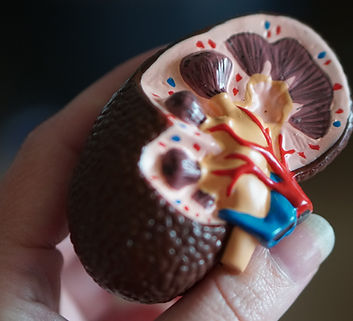
Kidney Stones (Uric Acid Stones)
Uric acid stones are a type of kidney stone that form when uric acid, a byproduct of the body's breakdown of purines (substances found in certain foods and drinks), becomes too concentrated in the urine and crystallizes. These crystals can form stones that may vary in size and cause intense pain, typically in the lower back or abdomen, along with other symptoms like hematuria (blood in the urine) and frequent urination. Factors that increase the risk of uric acid stones include dehydration, high-purine diets (such as red meat, shellfish, and alcohol), obesity, and certain medical conditions like gout or diabetes. Treatment typically involves increasing water intake, medications to alkalize urine, and dietary changes.
Aromatherapy
Essential oils can support the healing of kidney stones by reducing inflammation, promoting relaxation, and supporting kidney function:
• Lemon: Helps break down crystals and flushes out toxins from the kidneys.
• Juniper Berry: Promotes kidney health by stimulating urine production and improving detoxification.
• Ginger: Reduces inflammation and soothes pain caused by kidney stones.
• Cypress: Stimulates circulation and supports the kidneys’ detoxification processes.
• Peppermint: Relieves discomfort and helps to relax the body, easing pain associated with kidney stones.
Kidney Stone Relief Blend:
• 3 drops Lemon
• 3 drops Juniper Berry
• 2 drops Cypress
Dilute with a carrier oil and massage onto the lower back and kidney areas. Alternatively, diffuse the oils to promote kidney health and detoxification.
Flower Essences
Flower essences can help ease emotional discomfort of kidney stones, such as anxiety or worry:
• Scleranthus: Balances the mind and emotions, especially during the discomfort and frustration of dealing with kidney stones.
• Olive: Provides relief from physical exhaustion, which may accompany the pain from kidney stones.
• Rock Water: Supports flexibility and adaptability, easing the stress and rigidity that can come with painful conditions like kidney stones.
• Wild Oat: Helps with decision-making when seeking treatment or solutions for kidney health.
Reflexology
Reflexology for kidney stones focuses on stimulating specific pressure points to promote kidney health and alleviate pain:
• Kidney Reflex: Located on the arch of the foot, this point helps strengthen kidney function and detoxification.
• Bladder Reflex: Found on the sole of the foot, this reflex can help promote urination and alleviate discomfort caused by urinary
• Liver Reflex: Located on the right foot, this reflex supports the body’s detoxifying processes, crucial when managing kidney stones.
blockages.
Gentle pressure on these points can help relieve pain and support kidney health.
Affirmations
Positive affirmations can help reduce the emotional stress and frustration caused by kidney stones:
• “I am healthy, and my body is capable of healing.”
• “My kidneys are functioning optimally, and I release all toxins with ease.”
• “I trust my body’s natural healing process and feel calm and at peace.”
• “I am grounded, and I am letting go of pain and discomfort.”
Repeat these affirmations regularly to promote healing and relieve emotional distress related to kidney stones.
Nutrition
Proper nutrition is essential for managing and preventing kidney stones, particularly uric acid stones:
• Water: Staying hydrated helps dilute urine, preventing the formation of stones. Aim for at least 6 glasses of mineral rich water per day.
• Lemon: The citric acid in lemon helps dissolve uric acid crystals and prevent their formation.
• Cherries: Rich in antioxidants, cherries help reduce inflammation and may help lower uric acid levels.
• Magnesium: Found in leafy greens, nuts, and seeds, magnesium can help prevent the formation of kidney stones by promoting urinary alkalinity.
• Fiber: Whole grains, fruits, and vegetables are high in fiber, which helps balance the pH of the urine.
• Avoid High Purine Foods: Reducing intake of foods high in purines, like red meat, shellfish, and alcohol, can lower uric acid levels and prevent stone formation.
Herbs
Certain herbs can support kidney health and aid in the prevention and treatment of kidney stones:
• Nettle Leaf: Promotes urine production and helps detoxify the kidneys.
• Horsetail: Known for its diuretic properties, it can help flush out uric acid and other toxins from the kidneys.
• Dandelion Root: Supports kidney function and encourages the elimination of waste and toxins.
• Uva Ursi: Helps relieve pain and inflammation in the urinary tract and kidneys.
• Corn Silk: Alleviates irritation in the urinary system and supports the health of the kidneys and bladder.
Use these herbs in teas, supplements, or tinctures to support kidney health and prevent the formation of stones.
Yoga
Yoga poses that focus on kidney health and relieving tension in the lower back can be beneficial for individuals with kidney stones:
• Child’s Pose: Relieves tension in the back and kidneys, promoting relaxation.
• Seated Forward Bend: Eases discomfort in the lower back and improves kidney circulation.
• Cat-Cow Pose: Stimulates the kidneys and promotes flexibility in the spine and lower back.
• Bridge Pose: Strengthens the back and stimulates kidney function.
• Twists: Help relieve tension in the spine and lower back, which may alleviate kidney stone pain.
Regular yoga practice can support the kidneys and improve circulation, which may prevent or ease the pain from kidney stones.
Biochemical Tissue Salts
• Nat Mur: Supports the kidneys and bladder in eliminating waste and reducing excess uric acid.
• Silicea: Helps with the removal of kidney stones and supports the healing of damaged tissues.
• Kali Phos: Reduces inflammation and stress, which can contribute to kidney stone pain.
Consult with a healthcare provider before using tissue salts to ensure proper dosage and effectiveness.
Kidney Stones management requires a holistic approach, combining lifestyle changes, natural remedies, and professional guidance. While these practices can complement traditional treatments, always consult a healthcare provider before starting any new regimen.